

Debunking common myths about casinos what you need to know
Debunking common myths about casinos what you need to know
Understanding the Odds: House Edge vs. Player Luck
One of the most persistent myths about casinos is that players can easily outsmart the house by using strategies or systems to overcome the odds. While it is true that skill plays a role in some games, such as poker, most casino games are designed with a built-in house edge that ensures the casino will profit in the long run. This edge varies by game and can be as low as a few percent or as high as 25 percent, depending on the rules and structure. Many players seeking to maximize their experience might look into top casino sites in florida to find their best options.
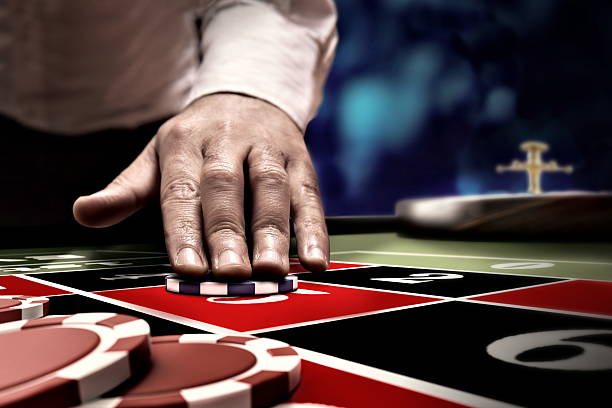
For players, it’s essential to understand that no betting system can change the fundamental probabilities of the games. Beliefs that certain patterns can lead to guaranteed wins are rooted in superstition rather than statistical reality. Players are encouraged to enjoy games while accepting the inherent risks involved, as luck and chance are always at play.
Online Casinos vs. Land-Based Casinos: A Level Playing Field?
Another common myth is that online casinos are less trustworthy than their land-based counterparts. In reality, reputable online casinos are heavily regulated and often utilize advanced security measures, including encryption technologies, to protect players’ information and ensure fair play. The perception that physical casinos are more reliable is largely outdated, as technology has made online gambling equally secure.
Furthermore, the convenience of online casinos cannot be overlooked. Players can access their favorite games from anywhere and at any time, providing flexibility that traditional casinos cannot match. While each option has its own unique atmosphere, the level of fairness and security can be comparably high in both environments.
The Myth of “Hot” and “Cold” Machines
Many players believe that slot machines go through cycles of being “hot” or “cold,” which suggests that a machine is due for a payout after a losing streak. This misconception leads players to spend extra time and money on particular machines, hoping to capitalize on a perceived pattern. In reality, slot machines operate on random number generators, ensuring that each spin is entirely independent of the last.
Understanding this randomness is crucial for players. Just because a machine hasn’t paid out recently doesn’t mean it will pay out soon. The concept of “due” is a psychological trap that can lead to poor betting choices. Players should focus on enjoying their time and setting limits rather than chasing after mythical payouts.
The Illusion of Skill in Games of Chance
A significant myth among casino goers is the belief that skill can drastically improve outcomes in games traditionally based on chance, such as roulette or slots. While games like blackjack do allow for strategic play, the majority of casino games rely solely on luck. This misconception often leads players to overestimate their chances of winning and can contribute to irresponsible gambling behavior.
It’s important for players to recognize the nature of the games they engage with. Learning the rules and best practices can enhance the experience, but it should be understood that luck remains a dominant factor. Responsible gambling involves knowing the limits and understanding that even skill does not guarantee victory.

About The Daily City
The Daily City aims to provide insightful information and resources for those interested in the world of casinos. Despite current accessibility issues due to security measures, the platform is committed to delivering valuable content that debunks myths and educates players about safe and responsible gambling practices.
Users looking to understand more about casinos can expect a wealth of information covering everything from gaming strategies to industry trends. The site’s focus on security and user experience underscores its dedication to creating a safe environment for readers seeking knowledge about gambling.